Posted on March 28, 2022
This is an update of my post published on March 28, 2011:
On this day wayyyyy back in 845 A.D., Viking raiders under the leadership of Ragnar Lodbrok are said to have sacked Paris. This means that (according to Norse stories) they stole all the valuables they could find.
In other words, the Vikings looted. They pillaged. They plundered. They robbed and stole and took booty.
Paris was ruled at the time by Charles II “The Bald,” and Norse stories say that Charles The Bald paid Ragnar lots of money to just take the spoils and leave, rather than destroying the city—7,000 pounds of silver to go along with all the rest of the loot, just so the raiders wouldn't burn everything down!
The stories go on to say that Ragnar did leave Paris, but he continued to attack France all the way up the coast.
By the way, Ragnar was nicknamed “Hairy Breeks” (or “Hairy Breeches”) because he is said to have wooed his second wife by wearing thick, hairy leather pants in order to protect himself as he killed poisonous snakes that were infesting part of Sweden. Ironically, he's said to have eventually died because of snakes: when he went to Britain to pillage and loot, the Northumbrian king captured him and put him to death by throwing him into a pit of venomous snakes.
Much of what we “know” about Ragnar and the sacking of Paris and all the snakes comes from Old Norse poetry and legendary sagas. In other words, we only know what this Viking did from Viking poems and tales. Naturally, the sagas made Ragnar sound better than he really was—stronger, more daring, more clever.
But he just sounds like a bully and a thief, to me!
 |
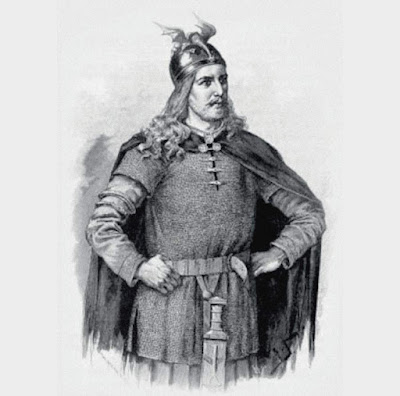
Ragnar has become a character in movies and video games.
Like Robin Hood and King Arthur, Ragnar may have been
based on a historical figure - but surely not all the stories
told about him are true! |
Keep in mind that some Frankish (French) stories say that the French troops defeated Ragnar when he tried to attack Paris. And there isn't an awful lot of evidence that Ragnar even existed, let alone that he sacked Paris.
Explore the Viking Age
Were Vikings always bullying others and stealing booty? Not all of them, for sure, and not all of the time, even for those who were big meanies. Check out the Vikings for Kids video.
Here is a modern tale about Vikings - a story meant for little kids!
Did you know that Vikings never wore horned helmets?
 |
The typical Viking horned helmet...is a myth! |
Two famous helmets that were found in Denmark - helmets with metal horns of a different shape than the usual animal horns we see in Viking shows and images - date back to WAYYY before the Vikings lived.
 |
This horned helmet dates back 2,000 years before
the Vikings! |
The evidence tells us that the helmets Vikings wore didn't feature horns. Apparently costume designers and/or illustrators in the 1800s came up with the ubiquitous but incorrect horned Viking helmet!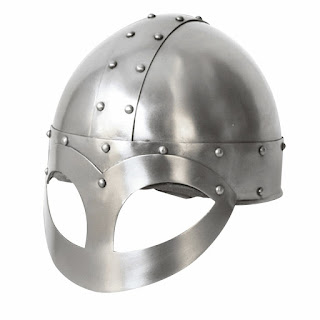 |
This is a modern version of a more
authentic Viking helmet design.
|
Also on this date:
Plan ahead:
Check out my Pinterest boards for:
And here are my Pinterest boards for:


 It may be, in the past, that people gathered around bonfires on the shortest night of the year to ward off evil spirits, but nowadays people still enjoy this cozy tradition for the fun with friends and family.